Services / Photo & document archiving
Family photographs, letters, and papers — sorted, described, and made findable
The boxes in the closet, the albums nobody has opened since the funeral, the envelope of negatives with no prints. Nothing is thrown away, everything gets a name, and you end up with a collection your family can actually search.
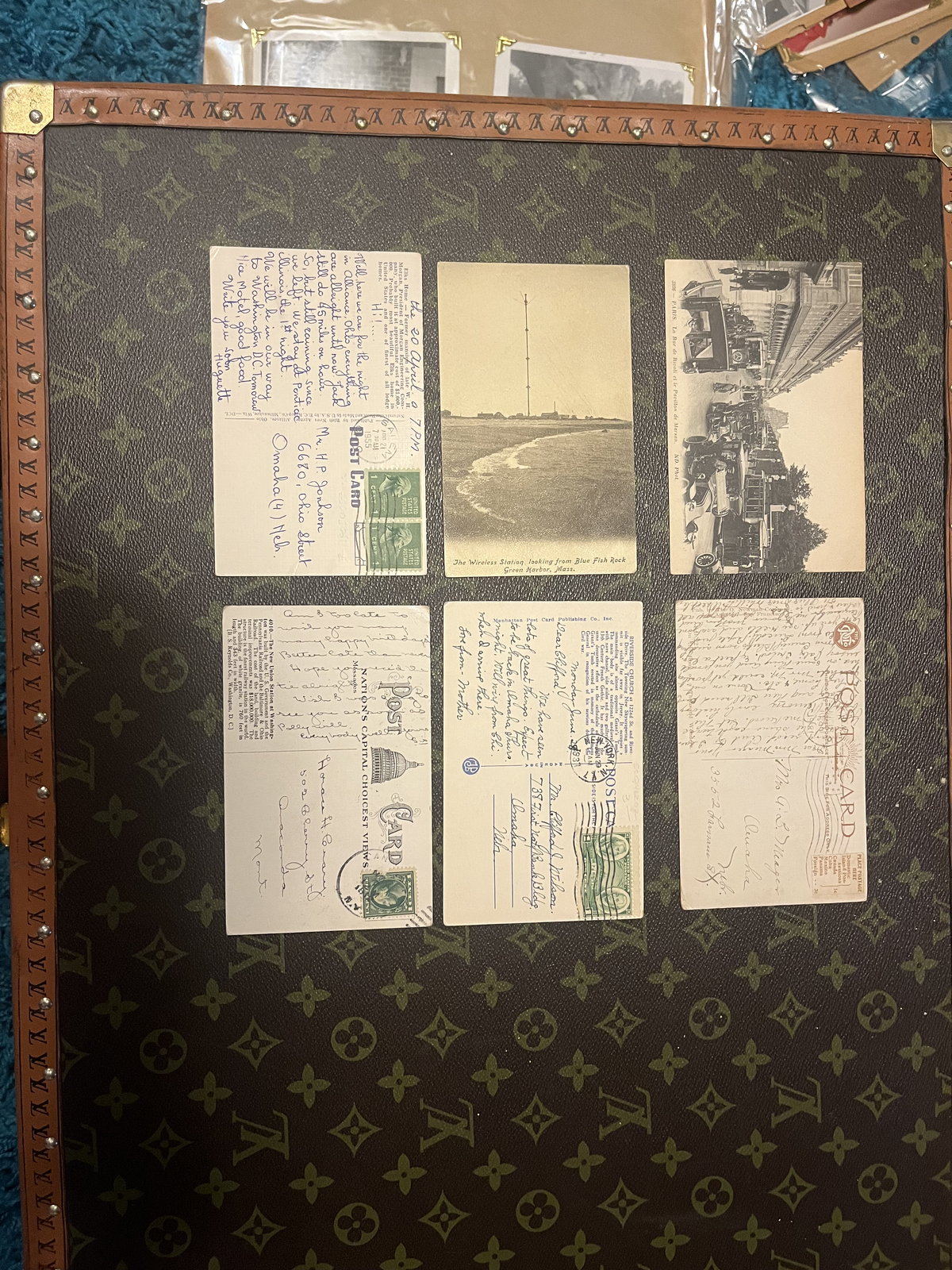
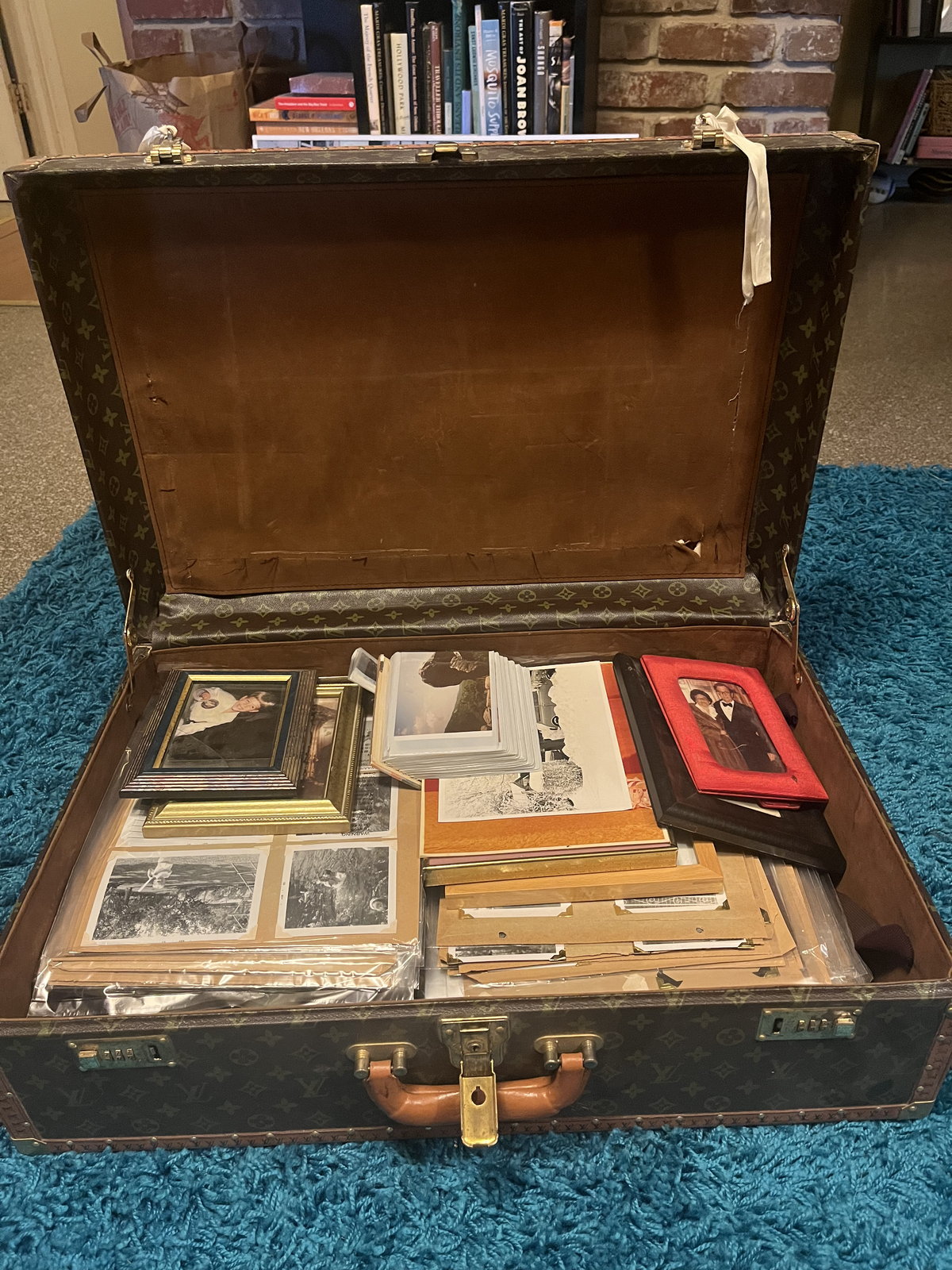
Why an archivist and not a photo lab
A scan is a copy. It is not the thing you were looking for.
A photo lab will scan a shoebox of prints and hand you back a hard drive of files named IMG_4402.jpg. The pictures are safe, and you still cannot find the one of your grandmother on the porch on Dumaine Street, because nobody wrote down that it exists.
Archival work starts before the scanner and continues after it. The collection is inventoried, sorted into an order that makes sense, and described item by item — who, where, when, and how we know. Fragile things are rehoused so they stop deteriorating. Then, and only then, what merits digitizing gets digitized, and the files are named to match the description.
What you get back is the originals, in labeled archival boxes, and a finding aid: a document that tells you what is in the collection and where. That is the product. The scans are a deliverable.
What happens to your collection
Five steps · in this order · nothing discarded
-
01
Consult
A free conversation, in your home or from a few photographs of the boxes. What is there, roughly how much, what condition it is in, and what you want to be able to do with it when we are done.
-
02
Assess and inventory
Every box is opened and its contents listed. Condition problems — mold, damp, tape, rusted clips, prints stuck to album pages — are noted now, so nothing is discovered halfway through. You get a written assessment and a proposal before any further work.
-
03
Arrange and describe
The collection is put in an order that reflects how it was made and used — by person, by household, by decade — and described to the level the material earns. Names, places, and dates are established from what is written on the backs, from the objects themselves, and from research when it matters.
-
04
Rehouse and digitize
Prints, negatives, and papers go into acid-free folders, sleeves, and boxes, labeled to match the finding aid. What you want digitized is scanned at archival resolution, and the files are named to match too. Anything that needs true conservation treatment is identified and referred to a conservator — that is a separate profession, and I will say so.
-
05
Hand off
You get the boxes back, the finding aid, the digital files, and a walk-through of how it all fits together — including how to add to it, so the collection does not stop the day I leave.
What you get back
The originals, in order, and a document that explains them.
- Finding aid
- A searchable inventory of the whole collection: what is in each box and folder, who and where and when, and how we know. Written to the Dublin Core standard, so a library or university archive could take it as-is.
- The originals
- Everything you gave me, in acid-free enclosures inside labeled archival boxes, arranged to match the finding aid. Nothing is discarded without your say-so, ever.
- Digital files
- Archival-resolution TIFF masters and everyday JPEG copies, named to match the finding aid, with the description embedded in each file. Delivered on a drive, plus guidance on keeping a second copy somewhere else.
- Research notes
- Where a name, a building, or a date had to be worked out, the reasoning is written down — so the next person does not have to redo it, and so a guess is never mistaken for a fact.
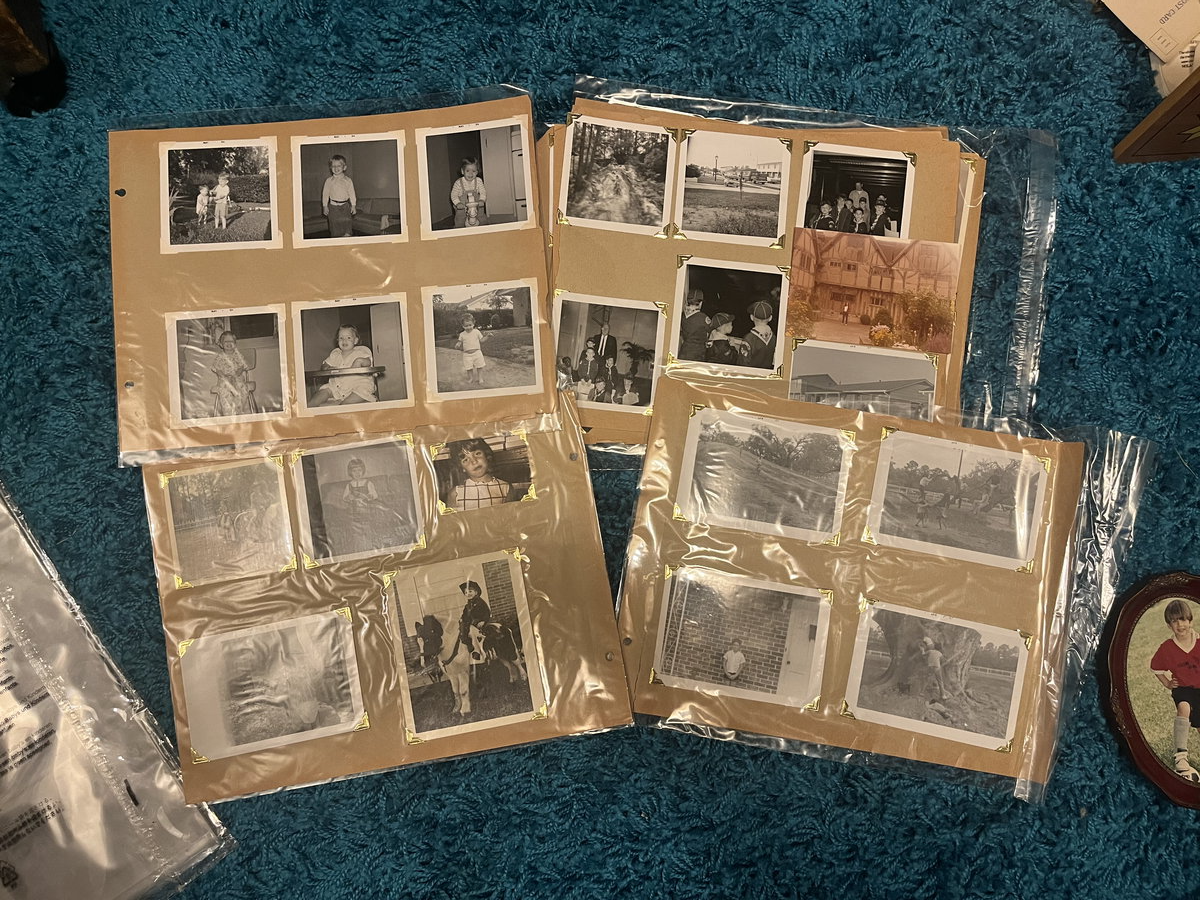
What comes through the door
Prints · negatives · slides · albums · paper
| Material | Usual trouble | What happens to it |
|---|---|---|
| Prints | Curled, faded, stuck together, rubber bands and paper clips, magnetic album pages | Flattened where safe, fasteners removed, sleeved or interleaved, scanned at 600 ppi or higher |
| Negatives & slides | No prints to match, vinegar smell, dust, mold, unlabeled boxes | Identified by format and date, sleeved, and scanned — often the only copy of a picture nobody has seen in fifty years |
| Albums & scrapbooks | Brittle black pages, failing glue, clippings turning brown and staining what they touch | Kept intact where possible; pages sleeved and interleaved; the album described as an object, page by page |
| Letters & documents | Folded for decades, rusted staples, tape, envelopes separated from their contents | Unfolded and relaxed where safe, fasteners removed, foldered by correspondent or subject, and transcribed when the handwriting matters |
| Framed & oversize | Acidic backing boards, glass stuck to the image, certificates and maps rolled in tubes | Unframed only when it is safe to; rehoused flat in oversize enclosures; anything stuck to glass goes to a conservator |
| Film & tape | Reels, VHS, camcorder tapes, and cassettes in the same boxes as the photographs | Described alongside the rest of the collection; film is handled on its own bench — see film digitization |
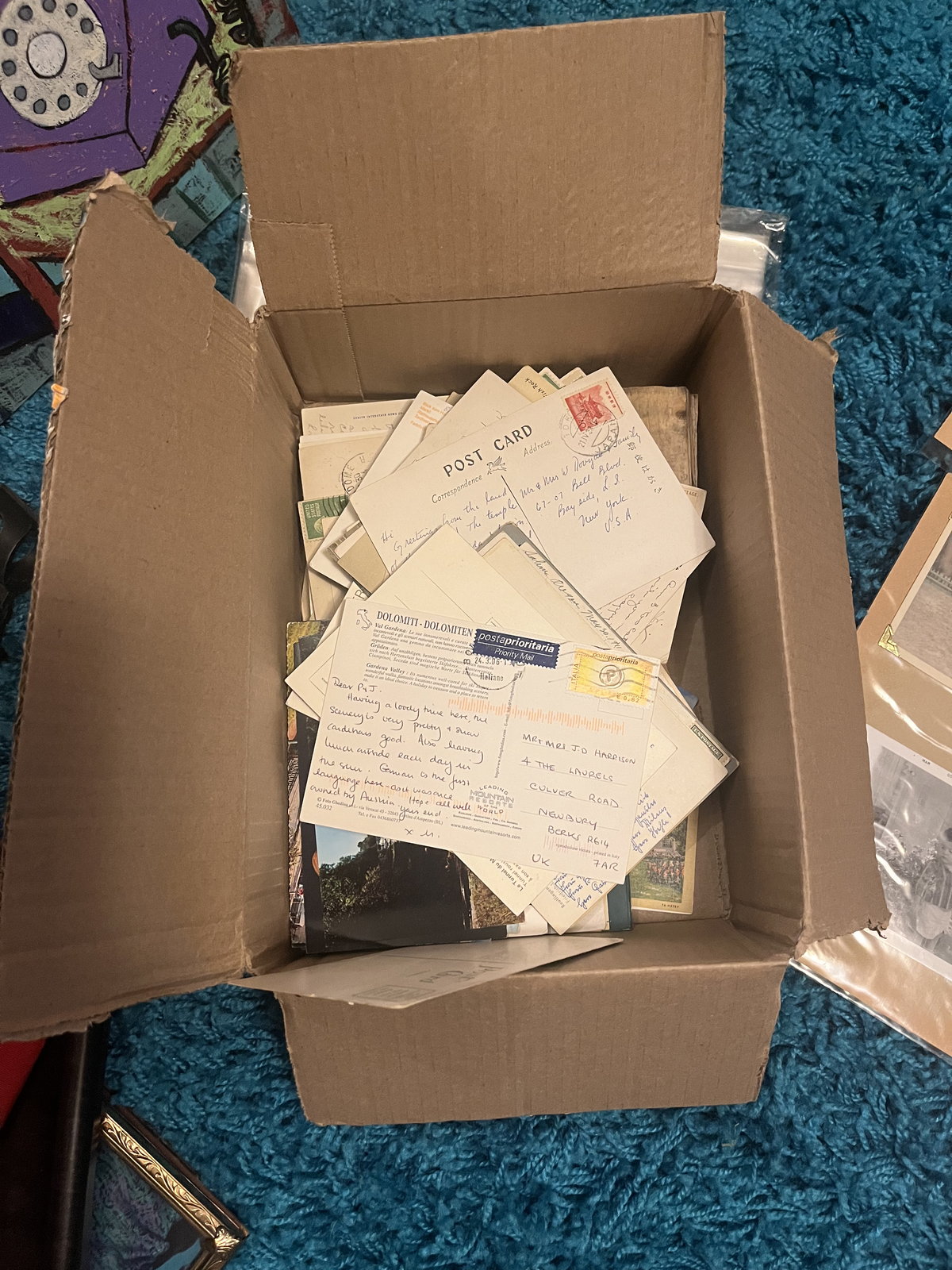
Training and record
The same method a university archive uses, at your kitchen table.
- Training
- MA, Public History, University of New Orleans — archival and preservation specialty.
- Collections
- Processing and description at the LGBT Archives of Louisiana, the Hurricane Digital Memory Bank, the Louisiana Museum of African American History, and The National WWII Museum.
- Standards
- Dublin Core and PREMIS for description; AtoM and Omeka for catalogs. Your finding aid could be handed to a repository tomorrow without being redone.
More on the training, the places, and where the name comes from on the About page.
Questions families ask
Will anything be thrown away?
Not by me. Duplicates, blank pages, and empty envelopes get listed and set aside, and you decide what to do with them. Everything else goes back in the boxes. The default in this practice is to keep.
Do I have to bring everything to you?
No. Across Greater New Orleans the work is usually done in your home, so nothing leaves the house that does not need to. Scanning and anything fragile can come to my bench and go back to you when done. Either way, every item is tracked from the moment it is listed.
I do not know who most of these people are. Is that a problem?
It is the normal case. A surprising amount can be established from the photographs themselves — the studio stamp, the car, the church in the background, the processing date on the border — and from city directories, newspapers, and records. What can be established is written down, and what cannot is marked as unknown rather than guessed.
Some of it got wet. Some of it smells.
Common here, and usually workable. Do not try to peel apart prints that have stuck together, and do not put anything in the sun. Get it dry and cool and leave it. Mold is isolated so it does not spread to the rest; items that need chemical or structural treatment are referred to a conservator, and I will tell you which ones and why.
How long does it take, and what does it cost?
It depends on the size of the collection and how far you want the description to go — a folder-level inventory of ten boxes is a very different job from naming every person in every print. The free consult ends with a written proposal: scope, timeline, and a fixed price for that scope. There is no charge for the assessment, and no obligation after it.
Can I just have it scanned and skip the rest?
You can, and if the collection is small, clean, and already labeled, a photo lab will do it well for less. Come to me when the boxes are many, the people are unnamed, the material is fragile, or when you want your children to be able to find things without you in the room.
Start with a free consult. Bring a photo of the boxes.
Four questions and a picture of what you have is enough to begin. I'll tell you what is there, what it needs, and what it would take — honestly, including if what you need is a photo lab and not an archivist.
Book a free consult