Services / Community archives
Your organization’s history, out of the garages and into one collection
For the nonprofit, congregation, krewe, club, or neighborhood association whose records live in six members’ houses and two of them have moved away. One collection, one catalog, and standards that a grant funder and a future partner will both accept.
Why community collections are different
Nobody made the archive. Everybody has a piece of it.
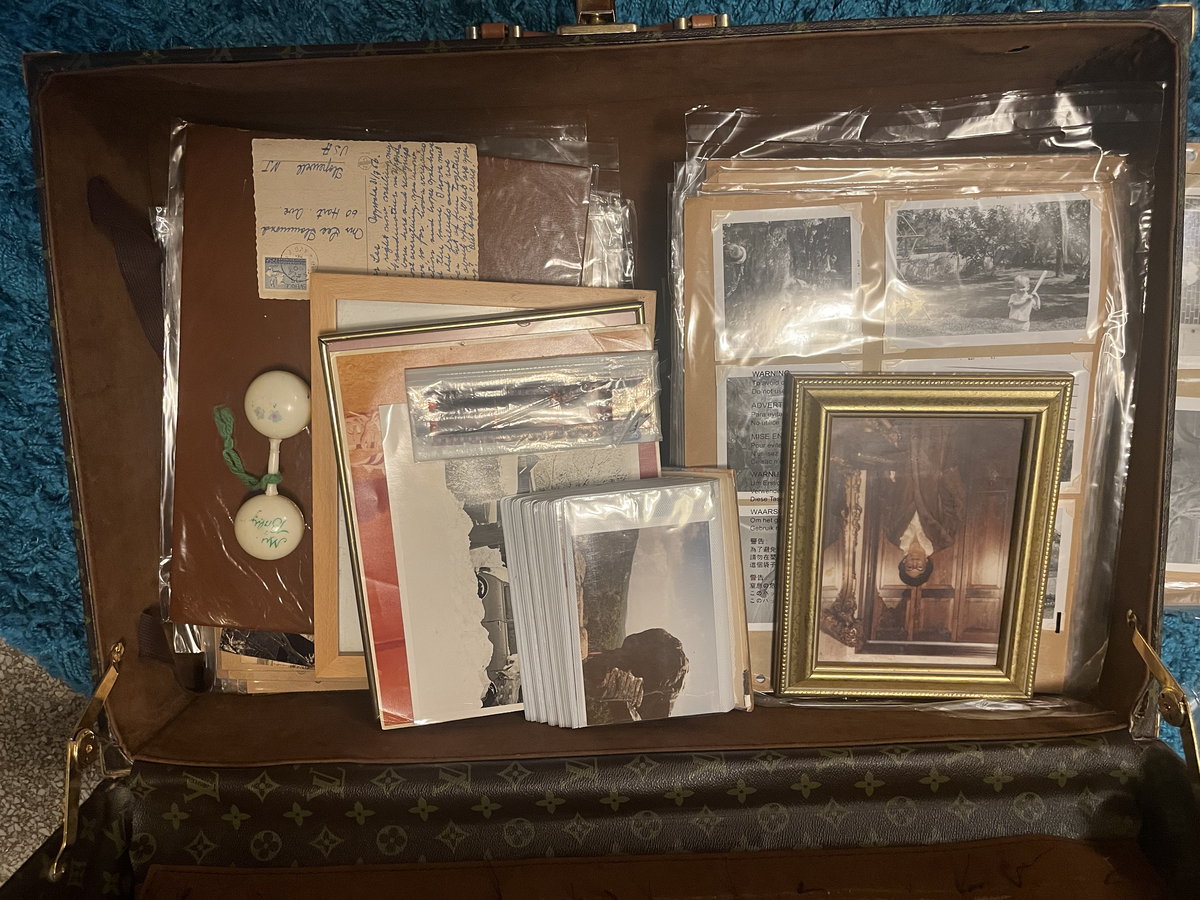
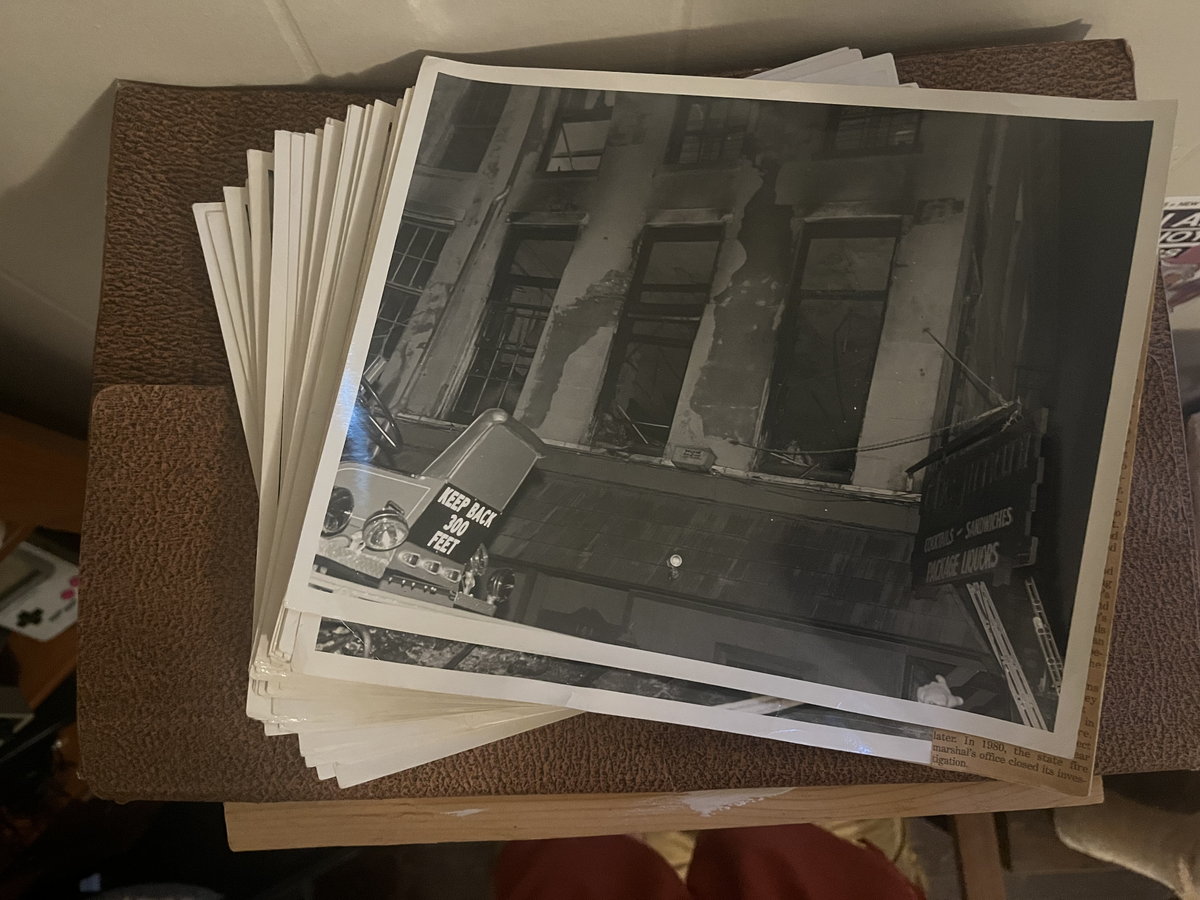
An institution’s records are made by a records office. A community’s are made by whoever showed up: the treasurer who kept the minutes, the member who photographed every ball, the founder’s widow with the scrapbooks. The history is real and it is scattered — across garages, church closets, a defunct email account, and a hard drive somebody’s nephew set up.
The trigger is usually a date: an anniversary, a grant cycle, a founder stepping back. And the risk is usually a death or a move. Every year a community loses a box it did not know it needed until it was gone.
The archivist’s job here is not just to sort. It is to gather what is held in a dozen hands into a single collection with a single description, on terms everyone signed, so the history belongs to the organization and not to whoever happens to have the key.
What a community archive engagement looks like
In this order · grant-ready at every step
-
01
Survey
A visit to every place material is held. What exists, how much, what condition, who holds it and on what understanding. The survey report alone is a document funders ask for.
-
02
Gather and agree
Material is brought together under simple deed-of-gift or loan forms, so ownership and access are recorded, not remembered. Oral histories are checked for consent.
-
03
Arrange and describe
The collection is organized by how the organization actually worked — governance, events, membership, correspondence — and described to Dublin Core, with sensitive material flagged and restricted.
-
04
Digitize and preserve
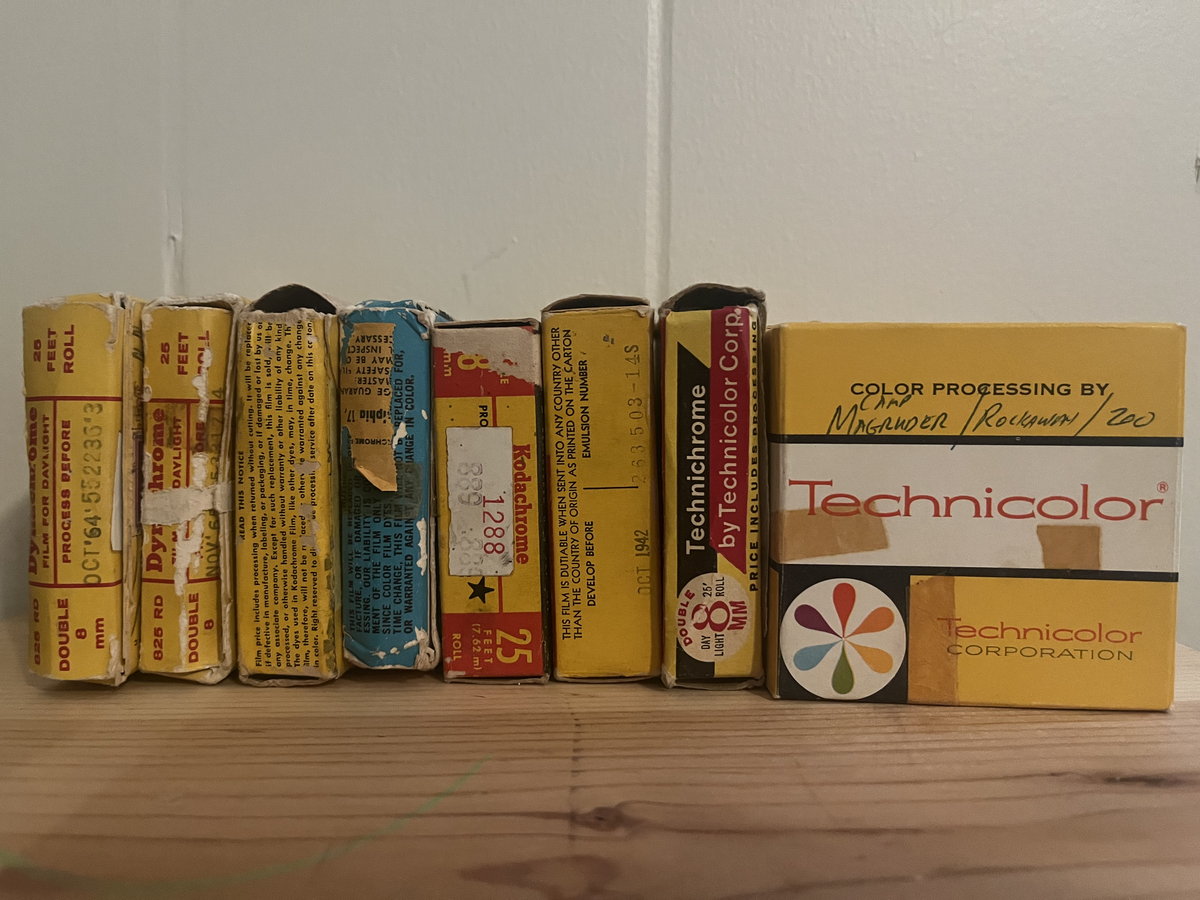
Fragile and high-use items rehoused and scanned; tape and film transferred. Preservation metadata in PREMIS so the files can be trusted in twenty years.
-
05
Make it findable
A finding aid the organization owns, and if wanted, a public catalog in AtoM or Omeka — hosted by you, by me, or by a repository partner. Plus a plan for what happens to next year’s records.
Where this comes from
A practice built in community archives, not adapted to them.
- 2023–present
- Oral History Chair, Archivist, and Board Member, LGBT Archives of Louisiana — ongoing responsibility for a real community repository: collecting, describing, consent, and access.
- Invisible Histories
- Archival work with the project documenting LGBTQ life across the Deep South — community collections gathered from the people who made them.
- Louisiana Museum of African American History
- Archivist for a founding collection: appraisal, arrangement, and description for an institution building its archive from scratch.
- Hurricane Digital Memory Bank
- Data archivist and curator for a public collection of thousands of Katrina and Rita stories, photographs, and files — metadata at scale, accessibility review.
More on the training and the places on the About page.
Start with a survey visit. It costs nothing.
Tell me what the organization is, when the date is, and where the boxes are. I’ll come look, and you’ll have a written picture of what you hold — whether or not you go further.
Book a free consultQuestions people ask
Who owns the collection when we are done?
You do. Nothing about this work transfers ownership. Where material comes from members’ homes, a simple deed-of-gift or loan form records who gave what and on what terms — so the question never has to be argued later.
Do we have to give it to a university?
No. Some organizations want a repository partner for storage and long-term care; others want to keep the collection in the building and just have it findable. Both are workable, and the finding aid is built to the same standard either way — so the choice stays open.
What about material that is private, or about people who are still alive?
It is normal for a community collection to hold things that should not be public: medical details, addresses, photographs of people who did not consent to be identified. Those are flagged at the description stage and restricted — closed, or open only to members, or open after a date — and the restrictions are written into the finding aid.
We have oral histories on old cassettes and a phone. Can those be part of it?
Yes, and they are often the most valuable thing in the collection. They are transferred, transcribed where funding allows, described, and — importantly — checked for a release form. Interviews without consent on file are described but not published until consent is found or obtained.
Can this help with a grant?
That is usually where it starts. A finding aid, a collection survey, and a preservation assessment are what humanities grant programs ask an applicant to have, and they are written here to the standard those reviewers expect. I can also draft the collection sections of the application.
How is it priced?
By the project, after a free survey visit. Many community organizations start with a survey and finding aid — the least expensive step and the one that unlocks funding — and digitize in phases as money comes in.